
Search is changing faster than ever.
For years, most people discovered websites by typing keywords into Google. Today, users also ask AI assistants detailed questions and expect direct, conversational answers. This shift has changed how content is created and discovered.
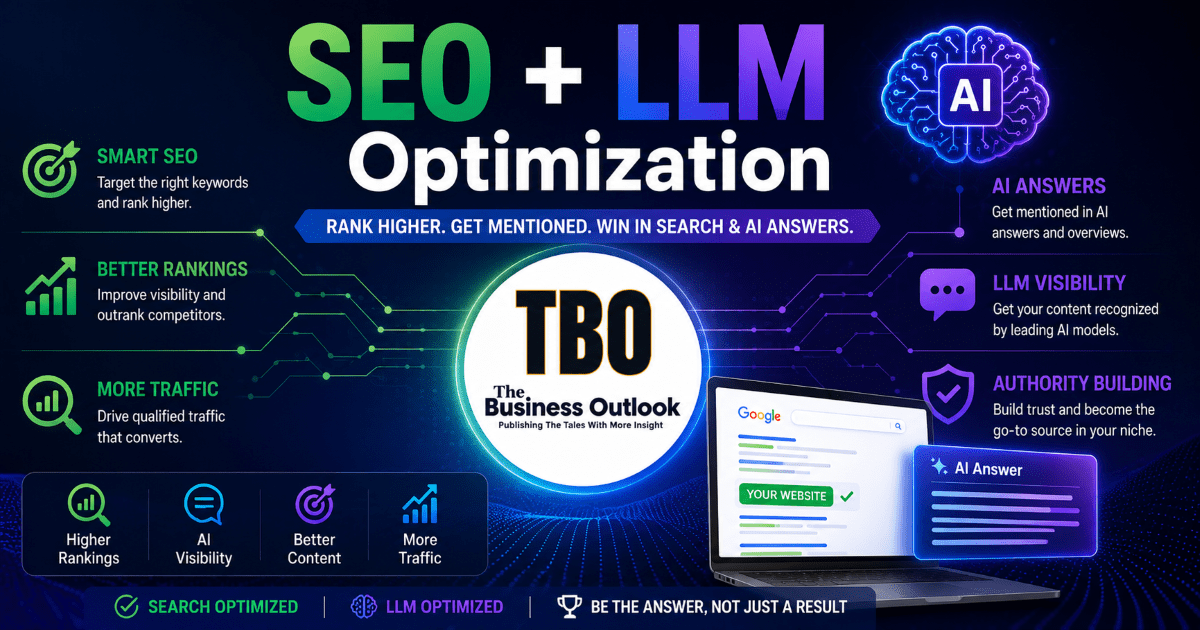
Instead of thinking about SEO vs AI, website owners should focus on SEO + LLM Optimization—creating content that is useful for people, understandable for AI systems, and technically accessible to search engines.
Why Search Is Evolving
Modern users don’t just search with short phrases like “best laptop” or “SEO tips.” They ask complete questions such as:
- How do I improve my website traffic in 2026?
- What is the best SEO strategy for AI search?
- How can small businesses optimise content for AI assistants?
This change means your content should answer real questions in a clear, structured way.
What Is SEO + LLM Optimization?
Search Engine Optimization (SEO) improves your website’s visibility in traditional search engines by focusing on technical performance, relevant content, and a good user experience.
LLM Optimization focuses on making content easier for AI-powered systems to understand by:
- Explaining topics clearly
- Using logical headings
- Answering common questions directly
- Providing complete, accurate information
- Keeping content updated
Together, these approaches help your content reach a wider audience.
Why Businesses Should Care
Adopting this strategy can help you:
- Increase long-term organic traffic
- Improve user experience
- Build trust with readers
- Create content that remains useful over time
- Prepare for evolving search behaviour
Practical Best Practices
- Research what your audience is actually asking.
- Write naturally instead of forcing keywords into every paragraph.
- Use descriptive H2 and H3 headings.
- Keep paragraphs short and easy to scan.
- Add examples, checklists, and FAQs.
- Review and update important articles regularly.
- Optimise images with descriptive alt text.
- Ensure your website is fast and mobile-friendly.
Example Scenario
Imagine you own a digital marketing agency.
Rather than publishing a short article titled “SEO Tips,” you could create a comprehensive guide explaining:
- What SEO is
- How AI search is changing user behaviour
- How to optimise content for both Google and AI assistants
- Common mistakes to avoid
- A practical checklist readers can follow
This provides more value than a thin article and is more likely to satisfy readers.
Common Mistakes
Avoid:
- Copying competitors’ articles
- Publishing low-value content
- Keyword stuffing
- Misleading headlines
- Ignoring technical SEO
- Leaving outdated information online
Frequently Asked Questions
Is SEO still important?
Yes. SEO remains an important way to help people discover useful websites through search engines.
Does AI replace SEO?
No. AI changes how some users access information, but SEO and AI can complement each other.
What makes content AI-friendly?
Content that is clear, well-structured, accurate, and genuinely useful is generally easier for AI systems to interpret.
Final Thoughts
Technology changes, but the goal of good content stays the same: help people solve problems.
If you consistently publish accurate, well-organised, and reader-focused content, you’ll be better positioned regardless of how search continues to evolve.
Think beyond SEO vs AI. Build a strategy around SEO + LLM Optimization and continue improving your content over time.

